29 August
Uncategorized
Powerful Integrated Marketing Communication for Digital Success
- tonmoysm87@gmail.com
- 0 Comments
Integrated Marketing Communication has become one of the most important strategies for businesses competing in today’s digital marketplace.
The search intent behind this topic is clear.
People searching for Integrated Marketing Communication want to understand what it means, how it supports digital marketing, why businesses should implement it, and how it improves customer engagement and sustainable business growth.
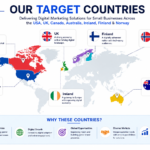
This article provides a complete practical explanation using an E-E-A-T approach with SEO, AEO, GEO, and business-focused insights relevant to companies operating in the United States, United Kingdom, Canada, Australia, Ireland, Finland, and Norway.

Quick Snippet Answer
Integrated Marketing Communication creates a unified marketing system where every communication channel delivers a consistent brand experience.
Businesses using integrated communication can align SEO, content, social media, email marketing, advertising, and customer engagement into one strategic digital marketing ecosystem.
Instead of allowing each department to communicate independently, Integrated Marketing Communication creates one powerful voice for the entire organization.
That consistency matters because customers increasingly expect seamless experiences regardless of where they interact with a brand.
According to Google’s guidance on creating helpful content, businesses should prioritize people-first, reliable information that genuinely helps users instead of creating content only for search engines. This principle closely aligns with an integrated marketing strategy because every communication should provide meaningful value while maintaining trust and consistency.
Google for Developers+1
For marketers, business owners, SEO professionals, and digital agencies, understanding Integrated Marketing Communication is no longer optional.
It is becoming a strategic foundation for building recognizable brands in competitive digital environments.
Table of Contents
- What Is Integrated Marketing Communication?
- Why Integrated Marketing Communication Matters in Digital Marketing
- The Evolution of Marketing Communication
- Traditional Marketing vs Integrated Marketing Communication
- Core Elements of an Integrated Marketing Communication Strategy
- How Integrated Marketing Communication Supports Digital Success
- Benefits of Integrated Marketing Communication for Businesses
- Customer Journey and Omnichannel Communication
- SEO, Content Marketing, and Integrated Communication
- Global GEO Strategy for International Businesses
- Practical Business Example
- FAQ
What Is Integrated Marketing Communication?
Integrated Marketing Communication is a strategic marketing approach that coordinates every communication channel to deliver one consistent brand message across customer touchpoints.
In simple words, it means every marketing activity speaks the same language.
Whether customers discover your business through Google, Facebook, LinkedIn, email, YouTube, television, public relations, or a physical store, they should receive a consistent brand identity and message.
Marketing communication is not simply advertising.
It includes every interaction between a business and its audience.
Integrated Marketing Communication Definition
A widely accepted understanding of Integrated Marketing Communication describes it as a coordinated planning process that ensures brand communications remain relevant, consistent, and connected across multiple channels over time. The concept has long been associated with aligning advertising, public relations, direct marketing, digital marketing, and customer communication into one strategic framework.
Emerald Publishing
The important word is integration.
Integration does not mean using every marketing channel.
Instead, it means connecting the right channels strategically.
For example:
- SEO attracts organic visitors.
- Content marketing educates customers.
- Social media builds community.
- Email nurtures relationships.
- Paid advertising increases reach.
- Public relations strengthens credibility.
- Customer service reinforces trust.
When these channels communicate independently, customers may receive mixed messages.
When they work together, the brand experience becomes stronger and more memorable.
Simple Example
Imagine a digital marketing agency launching a new SEO service. Here we want to inform you regarding our service.
Without Integrated Marketing Communication:
- Google Ads promotes low pricing.
- Facebook highlights premium quality.
- The website focuses on enterprise clients.
- Email promotes beginner packages.
- Sales representatives use different messaging.
The customer becomes confused.
Now imagine the same campaign with integrated communication.
Every platform communicates one message:
“Data-driven SEO solutions that help businesses achieve sustainable organic growth.”
The pricing, visuals, tone, value proposition, and customer experience remain consistent across every channel.
That is the practical power of Integrated Marketing Communication.
Why Integrated Marketing Communication Matters in Digital Marketing
Digital marketing has created hundreds of opportunities for businesses.
However, it has also created complexity.
Businesses now communicate through websites, mobile applications, search engines, social platforms, podcasts, webinars, newsletters, AI search platforms, and online communities.
Managing these channels separately often creates inconsistent communication.
Integrated Marketing Communication solves this challenge by creating one strategic communication system.
The Modern Consumer Journey
Today’s customer journey is rarely linear.
A potential customer might follow this path:
Notice something important.
Every stage communicates the same brand promise.
That consistency increases confidence because customers do not feel they are interacting with different businesses on different platforms.
Why Consistency Creates Trust
Trust develops through repeated consistent experiences.
If a company’s website promises excellent customer support but social media ignores customer questions, the communication becomes disconnected.
Likewise, if SEO content emphasizes expertise while advertisements use misleading claims, customers begin questioning credibility.
Integrated Marketing Communication helps organizations align:
- Brand voice
- Visual identity
- Messaging
- Customer experience
- Promotional campaigns
- Educational content
- Sales communication
This alignment supports stronger brand positioning over time.
Digital Marketing Is Not a Single Channel
Many beginners believe digital marketing simply means running Facebook advertisements.
That definition is incomplete.
Digital marketing includes multiple interconnected disciplines.
SEO
Improves organic visibility and attracts high-intent visitors.
Content Marketing
Educates audiences and builds topical authority through valuable content.
Social Media Marketing
Creates engagement, conversations, and long-term community growth.
Email Marketing
Nurtures leads and strengthens customer relationships over time.
Paid Advertising
Expands reach quickly through targeted promotional campaigns.
Customer Communication
Builds loyalty through helpful support and personalized experiences.
Integrated Marketing Communication connects these disciplines into one ecosystem instead of allowing them to operate independently.
That is why businesses increasingly use integrated strategies for long-term digital growth.
The Evolution of Marketing Communication
Marketing communication has changed dramatically during the last few decades.
Businesses once depended primarily on newspapers, radio, television, brochures, and outdoor advertising.
Today, customers interact with brands through dozens of digital touchpoints before making purchasing decisions.
From Traditional Marketing to Connected Communication
The traditional marketing model focused mainly on broadcasting messages.
The digital model focuses on conversations.
Customers now respond, comment, review, share, compare, and influence other buyers online.
This transformation requires businesses to create communication systems rather than isolated campaigns.
Evolution Timeline
The latest phase emphasizes integration.
Search engines, AI assistants, social platforms, and customer relationship systems increasingly rely on connected brand information rather than isolated marketing activities.
The Shift Toward People-First Marketing
Google consistently emphasizes creating helpful, reliable, people-first content instead of content designed primarily to manipulate rankings. Businesses implementing Integrated Marketing Communication naturally benefit from this philosophy because the strategy focuses on delivering consistent value throughout the customer journey.
Google for Developers
This approach improves communication quality.
Instead of asking:
“How can we promote our business everywhere?”
Successful organizations ask:
“How can every customer interaction become more useful and consistent?”
That mindset creates stronger long-term relationships.
Traditional Marketing vs Integrated Marketing Communication
Understanding the difference helps businesses choose the right strategic approach.
| Traditional Marketing | Integrated Marketing Communication |
|---|---|
| Individual campaigns operate separately | All campaigns follow one unified strategy |
| Different messages across channels | Consistent messaging everywhere |
| Limited customer interaction | Continuous two-way customer communication |
| Focuses mainly on promotion | Focuses on customer experience and relationships |
| Departments work independently | Teams collaborate across marketing channels |
| Difficult to measure complete customer journey | Better visibility into connected marketing performance |
| Brand identity may vary | Strong and recognizable brand identity |
Integrated Marketing Communication does not replace traditional marketing.
Instead, it improves traditional and digital marketing by connecting them strategically.
For example, a company may combine:
- Television advertising
- Google SEO
- Email campaigns
- LinkedIn content
- Public relations
- Trade exhibitions
- Webinar marketing
All activities reinforce one central campaign message.
That creates a stronger communication impact than isolated promotions.
Core Elements of an Integrated Marketing Communication Strategy
A successful Integrated Marketing Communication strategy requires more than publishing content across multiple platforms.
It requires strategic coordination.
The following elements form the foundation.
1. Unified Brand Message
Every successful brand communicates a recognizable promise.
Examples include:
- Quality
- Innovation
- Sustainability
- Affordability
- Trust
- Professional expertise
The message should remain consistent across websites, advertisements, social media, emails, and customer communication.
A unified message improves brand recall and reduces customer confusion.
2. Consistent Brand Voice
Brand voice describes how a business communicates.
For example:
| Brand Personality | Communication Style |
|---|---|
| Corporate | Professional and authoritative |
| Friendly | Conversational and approachable |
| Luxury | Elegant and sophisticated |
| Technology | Innovative and educational |
| Healthcare | Reassuring and trustworthy |
| Education | Helpful and informative |
A consistent voice helps customers immediately recognize your brand regardless of platform.
3. Coordinated Marketing Channels
Integrated communication connects channels instead of treating them as separate departments.
For example:
Each channel performs a different role.
However, every channel supports the same business objective.
4. Audience-Centered Communication
Integrated Marketing Communication begins with understanding audiences.
Businesses should identify:
- Customer needs
- Search behavior
- Pain points
- Preferred communication channels
- Buying motivations
- Content preferences
- Geographic location
A company targeting customers in the USA may communicate differently from one targeting Finland or Norway because cultural expectations and search behavior may differ.
The message remains consistent.
The presentation becomes locally relevant.
This is where GEO marketing becomes valuable.
5. Data and Performance Measurement
Integration should also include analytics.
Businesses should evaluate how customers move between channels instead of measuring every platform independently.
Important performance indicators include:
- Organic traffic
- Engagement rate
- Email open rate
- Lead generation
- Conversion rate
- Customer retention
- Brand search growth
- Returning visitors
When data is connected, marketers can understand the complete customer journey more effectively.
How Integrated Marketing Communication Supports Digital Success
Digital success is not simply achieving higher website traffic.
Real digital success includes visibility, trust, engagement, conversions, customer loyalty, and sustainable brand growth.
Integrated Marketing Communication supports each of these areas simultaneously.
Improves Brand Recognition
Customers remember consistent brands more easily.
Imagine seeing the same colors, messaging, value proposition, and tone across Google results, social media, newsletters, and YouTube.
That repeated consistency strengthens recognition.
Over time, customers begin associating certain messages with your business automatically.
This becomes especially valuable in competitive industries where dozens of companies offer similar products or services.
Creates Better Customer Experiences
Customers dislike disconnected experiences.
For example:
- An advertisement promises a free consultation.
- The landing page mentions paid consultation.
- The sales team knows nothing about the advertisement.
This creates frustration.
Integrated Marketing Communication ensures every customer interaction remains connected.
From first search to final purchase, the experience becomes smoother and more trustworthy.
Strengthens Content Marketing
Content becomes significantly more effective when integrated with broader marketing activities.
A high-quality SEO article should not remain isolated.
Instead, businesses can repurpose it into:
- LinkedIn posts
- Facebook content
- Email newsletters
- YouTube videos
- Podcast discussions
- Infographics
- Sales resources
- Webinar topics
One authoritative article can support multiple communication channels while maintaining one consistent message.
This improves content efficiency without sacrificing quality.
Supports SEO and Organic Growth
SEO works best when supported by strong brand communication.
Publishing helpful content, maintaining topical consistency, building authoritative resources, and creating trustworthy customer experiences all contribute to stronger long-term organic visibility.
Google’s people-first content documentation emphasizes helpful, reliable information created primarily for users, while its guidance on E-E-A-T explains that trust and quality are important considerations for evaluating content quality.
Google for Developers+2
For businesses targeting international markets, SEO should also support localized communication.
This means creating useful content relevant to audiences in:
- USA
- UK
- Canada
- Australia
- Ireland
- Finland
- Norway
Rather than duplicating identical content, organizations should adapt examples, language preferences, terminology, and user intent while preserving the same brand expertise.
Increases Campaign Efficiency
Integrated campaigns reduce unnecessary duplication.
Instead of creating unrelated campaigns every month, marketers can develop one central campaign and distribute it strategically.
For example:
Campaign Theme: Sustainable Digital Business Growth
Supporting channels:
- SEO article explaining sustainable growth
- LinkedIn thought leadership
- Email educational sequence
- YouTube tutorial
- Google Ads promoting consultation
- Social media infographic
- Webinar discussion
- Case study publication
Every activity strengthens the same campaign objective.
That creates greater strategic efficiency.
Visual Framework: One Message, Multiple Channels
This framework illustrates an essential principle.
The website often acts as the central knowledge hub, while SEO, social media, email, advertising, video, and public relations distribute consistent communication to different audience segments.
Benefits of Integrated Marketing Communication for Businesses
Businesses implement Integrated Marketing Communication because it improves both marketing performance and customer relationships.
The benefits extend beyond advertising.
Benefit 1: Stronger Brand Identity
A recognizable brand creates familiarity.
Familiarity increases confidence.
When every communication channel reflects the same personality, customers develop stronger emotional associations with the business.
Benefit 2: Better Customer Engagement
Engagement becomes easier when messaging remains relevant.
Instead of publishing unrelated content, businesses create connected educational experiences that encourage audiences to continue interacting with the brand.
Examples include:
- Reading an SEO guide
- Downloading a checklist
- Joining an email series
- Watching a tutorial
- Booking a consultation
Every interaction naturally continues the previous conversation.
Benefit 3: Higher Marketing Consistency
Consistency reduces confusion.
Customers should never wonder whether a social media campaign belongs to the same company as the website.
Integrated Marketing Communication ensures consistency across:
- Colors
- Typography
- Brand tone
- Messaging
- Offers
- Educational resources
- Customer support language
Benefit 4: Improved Trust and Credibility
Trust develops gradually.
Businesses strengthen credibility by providing accurate information consistently across platforms rather than making exaggerated promotional claims.
This approach also aligns with E-E-A-T principles that encourage demonstrating experience, expertise, authoritativeness, and trustworthiness through genuinely useful content and transparent communication.
Google for Developers+2
Benefit 5: More Effective Lead Generation
Lead generation improves when customers receive connected experiences.
Instead of sending visitors directly toward aggressive sales messages, integrated campaigns educate first.
A typical sequence might include:
- Google search
- Educational blog
- Free downloadable guide
- Email nurture campaign
- Webinar invitation
- Consultation booking
This customer journey feels more natural because every stage delivers consistent value.
A Practical Integrated Marketing Communication Example
Consider a fictional company called GrowthTech Digital.
The company provides SEO and digital marketing services for small and established businesses across multiple countries.
Their campaign objective is:
Helping businesses achieve sustainable organic growth through strategic digital marketing.
Here is how they integrate communication.
| Marketing Channel | Integrated Purpose |
|---|---|
| SEO Blog | Educate readers about sustainable SEO strategies |
| Google Business Profile | Build local credibility and visibility |
| Publish expert marketing insights | |
| Share educational visual content | |
| YouTube | Explain SEO tutorials and case studies |
| Deliver weekly digital marketing lessons | |
| Google Ads | Promote professional SEO consultation |
| Webinar | Demonstrate practical SEO implementation |
Notice that every channel supports one objective.
Nothing feels disconnected.
The customer experiences one continuous conversation rather than multiple unrelated advertisements.
This is the foundation of successful Integrated Marketing Communication.
Integrated Marketing Communication and the Customer Journey
A successful customer journey contains multiple stages.
Each stage requires different communication.
Awareness Stage
Customers first discover your brand.
Common channels include:
- Google Search
- Social media
- YouTube
- Podcasts
- Online publications
- Public relations
The objective is visibility.
SEO plays an important role because users actively search for solutions during this stage.
Consideration Stage
Customers begin comparing options.
They may read:
- Blog articles
- Case studies
- Product comparisons
- Testimonials
- Educational videos
- Email newsletters
The objective becomes trust and education.
Integrated Marketing Communication ensures the information remains consistent across every resource.
Decision Stage
Customers are ready to take action.
Communication includes:
- Landing pages
- Consultation forms
- Product demonstrations
- Retargeting advertisements
- Sales communication
- Customer support
Consistency becomes critical because conflicting offers may reduce conversion confidence.
Retention Stage
Marketing does not end after conversion.
Businesses continue communication through:
- Email education
- Loyalty campaigns
- Customer communities
- Helpful tutorials
- Personalized recommendations
- Ongoing support
This strengthens customer lifetime value while reinforcing the original brand promise.
SEO Insight: Why Integrated Communication Helps Content Perform Better
SEO professionals often focus heavily on keywords.
Keywords remain important.
However, successful organic growth requires much more than keyword placement.
Integrated Marketing Communication improves SEO by encouraging businesses to create connected topical resources instead of isolated articles.
For example, one core topic such as Integrated Marketing Communication can connect internally with articles about:
- Digital Marketing Strategy
- SEO for Businesses
- Content Marketing
- Omnichannel Marketing
- Marketing Automation
- Brand Awareness
- Customer Engagement
These internal connections help users navigate related information naturally while strengthening topical relevance throughout the website.
Suggested Internal Links for WordPress
- Digital Marketing for Small Business
- SEO for Established Organizations
- Hybrid Marketing Strategy
- Benefits of SEO for Your Business
- Content Marketing Strategy Guide
- Omnichannel Marketing vs Multichannel Marketing
Use descriptive anchor text instead of generic phrases like “click here.”
For example:
Learn more about Digital Marketing for Small Business to discover practical growth strategies for competitive markets.
This creates better usability and stronger internal content organization.
GEO Strategy: Integrated Marketing Communication for Global Markets
Businesses targeting international audiences must think beyond translation.
GEO optimization means creating geographically relevant content while maintaining consistent brand authority.
The same Integrated Marketing Communication strategy can serve different countries with localized messaging.
Target Countries
- United States
- United Kingdom
- Canada
- Australia
- Ireland
- Finland
- Norway
The strategy remains unified.
The customer examples become locally meaningful.
Example of GEO Localization
| Country | Localization Focus |
|---|---|
| USA | Competitive digital marketing and business scalability |
| UK | Professional services and B2B communication |
| Canada | Multicultural audience and regional search intent |
| Australia | Local SEO and service-based business growth |
| Ireland | SME digital transformation and content visibility |
| Finland | Technology-driven customer experience |
| Norway | Trust-focused communication and sustainable branding |
The important principle is consistency.
A company should never create completely different brand personalities for each country.
Instead, it should adapt language, examples, and customer needs while preserving one recognizable identity.
This is particularly valuable for multinational businesses and international digital agencies.
E-E-A-T Perspective: Building Trust Through Integrated Communication
E-E-A-T stands for:
- Experience
- Expertise
- Authoritativeness
- Trustworthiness
Google explains that these concepts are part of the Search Quality Rater Guidelines used to evaluate content quality and help creators understand what high-quality, people-first content looks like, although the guidelines themselves do not directly determine rankings.
Google for Developers+1
Integrated Marketing Communication naturally supports these principles because businesses communicate expertise consistently across every customer interaction.
Experience
Demonstrate practical knowledge.
Examples include:
- Real campaign observations
- Industry case studies
- Hands-on tutorials
- Implementation guides
- Professional insights
Expertise
Show subject knowledge clearly.
Businesses should publish well-researched educational content supported by reputable sources rather than unsupported opinions.
Authoritativeness
Authority grows when brands consistently produce valuable resources across multiple platforms.
Examples include:
- Research articles
- Expert interviews
- Educational webinars
- Industry publications
- Comprehensive guides
Trustworthiness
Trust is strengthened through transparency.
Businesses should provide:
- Accurate information
- Clear author details
- Updated content
- Honest claims
- Reliable citations
- Secure customer experiences
Google’s people-first content guidance encourages creators to focus on genuinely useful information that satisfies users rather than content produced primarily for ranking purposes.
Google for Developers
That philosophy should guide every integrated marketing campaign.
Expert Takeaway Box
Professional Marketing Insight
Integrated Marketing Communication is not about publishing the same advertisement everywhere. It is about creating one strategic brand narrative that adapts intelligently to SEO, content marketing, social media, email, paid advertising, public relations, and customer communication while maintaining consistency, credibility, and customer value.
Businesses that understand this distinction usually create stronger long-term digital ecosystems than organizations relying on disconnected promotional campaigns.
Featured External Resources
For readers who want authoritative marketing and SEO references, explore these resources:
- Google Search Central Helpful Content Guide: https://developers.google.com/search/docs/fundamentals/creating-helpful-content
- Google Search Quality Rater Guidelines: https://guidelines.raterhub.com/searchqualityevaluatorguidelines.pdf
- American Marketing Association: https://www.ama.org/
These external references support people-first content creation, trustworthy communication, and professional marketing knowledge.
Google for Developers+2